- English
- French
- German
- Portuguese
- Spanish
- Russian
- Japanese
- Korean
- Arabic
- Irish
- Greek
- Turkish
- Italian
- Danish
- Romanian
- Indonesian
- Czech
- Afrikaans
- Swedish
- Polish
- Basque
- Catalan
- Esperanto
- Hindi
- Lao
- Albanian
- Amharic
- Armenian
- Azerbaijani
- Belarusian
- Bengali
- Bosnian
- Bulgarian
- Cebuano
- Chichewa
- Corsican
- Croatian
- Dutch
- Estonian
- Filipino
- Finnish
- Frisian
- Galician
- Georgian
- Gujarati
- Haitian
- Hausa
- Hawaiian
- Hebrew
- Hmong
- Hungarian
- Icelandic
- Igbo
- Javanese
- Kannada
- Kazakh
- Khmer
- Kurdish
- Kyrgyz
- Latin
- Latvian
- Lithuanian
- Luxembou..
- Macedonian
- Malagasy
- Malay
- Malayalam
- Maltese
- Maori
- Marathi
- Mongolian
- Burmese
- Nepali
- Norwegian
- Pashto
- Persian
- Punjabi
- Serbian
- Sesotho
- Sinhala
- Slovak
- Slovenian
- Somali
- Samoan
- Scots Gaelic
- Shona
- Sindhi
- Sundanese
- Swahili
- Tajik
- Tamil
- Telugu
- Thai
- Ukrainian
- Urdu
- Uzbek
- Vietnamese
- Welsh
- Xhosa
- Yiddish
- Yoruba
- Zulu
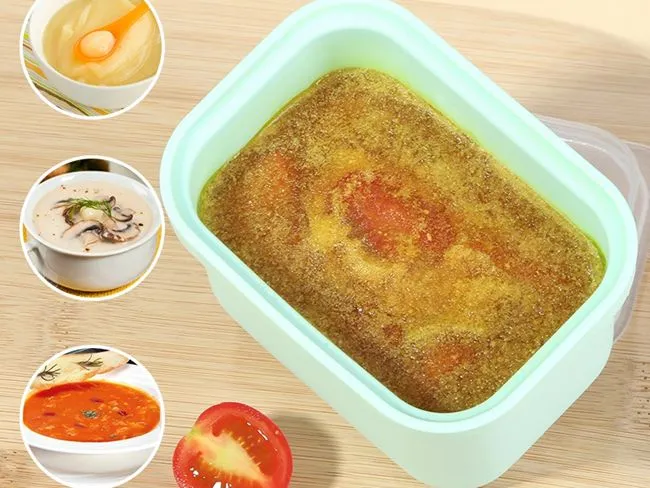
Of course. Silicone Freezer Trays with lids are a great deal for businesses and brands that need reliable ways to store food. These clever cases are made of food-grade silicone and have secure lid systems that keep air out. This keeps food from freezer burn, stops cross-contamination, and greatly extends the shelf life of the product. In contrast to hard plastic alternatives, silicone choices are more flexible, making it easy to remove frozen material while keeping structural integrity through thousands of freeze-thaw cycles. The expense is worth it when you think about how much less waste there is, how much better the products are, and how well they meet the strict safety standards that customers today expect.
Silicone Freezer Trays with Lids vs. Without Lids: Which Is Better?
Choosing between silicone-free freezer trays with lids and those without lids affects both how well the business runs and the quality of the products it sells. Knowing these differences helps buying workers make decisions that meet the needs of their businesses.
Preservation Quality and Shelf Life Extension
Putting things in cases with lids seals them up, which greatly lowers oxidation and moisture loss. Food service companies have tested and found that soups and sauces kept in covered silicone containers keep their flavors and textures much longer than those stored in containers that aren't covered. Freezer burn happens when air touches frozen food surfaces. If you seal the lid properly, you rarely get freezer burn. Baby food brands value this security the most because worries about quality and nutritional loss have a direct effect on customer trust and repeat purchases.
Contamination Prevention in Multi-Product Environments
Commercial freezers often hold a lot of different types of food at the same time. Without lids, taste transfer is a real problem. For example, baby purees could pick up smells from seafood goods next to them. Covered cases keep the purity of the product and lower the liability risks that come with allergens coming into contact with each other. This safety is especially helpful for online sellers who run shared warehouses where goods from different brands are stored together in the same cold rooms.
Space Optimization and Organizational Benefits
These are the main benefits that closed systems offer:
- Vertical Stacking Capability: Flat lid surfaces allow stable multi-level stacking, which can increase freezer capacity by up to 40% compared to uneven open containers that need safety space to keep them from falling over.
- Reduced Spillage Risk: Tight lids keep contents from spilling while being moved between production areas, freezer storage, and delivery places. This cuts down on product loss and the work needed to clean up.
- Inventory Management: Unusual container sizes with lids make it easier to organize things in a way that makes sense. This makes it possible to rotate stock more quickly and reduces the chance of throwing away old goods, which is very important for sellers who have to keep track of a lot of items.
- Portability: Sealed containers are safe to move in, which helps businesses that send packages or take part in farmers' markets and pop-up shops.
These benefits for the company directly lead to lower costs and better working efficiency. When brands work with makers like Qosun, they can choose the right container sizes and lid features for their storage and shipping methods, especially when considering eco-friendly silicone kitchenware options.
How to Use and Maintain Silicone Freezer Trays with Lids for Optimal ROI?
To get the most out of your silicone-freezer trays, you need to know how to use them correctly and how to keep them in good shape so they last longer.
Proper Filling and Freezing Techniques
Common problems that hurt the performance of containers can be avoided by following the right packing methods. When filling containers, leave about 10 to 15 percent empty room at the top. This is because most liquids expand when they freeze. By doing this, the lid won't move, which could break the seal. Putting full containers on flat freezer surfaces during the initial freezing process ensures that the ice forms evenly and stops the containers from twisting. It is possible to cut down on the time and energy needed to freeze liquids by chilling them first. This is something to think about for businesses that handle large batches of liquids every day.
Optimal Thawing and Reheating Methods
Food-grade silicone is flexible, so it can be heated in a number of different ways. When frozen food is put under cool running water to thaw, parts come free quickly without damaging the container. Reheating in the microwave works well when lids are taken off or released as directed by the maker. Because quality silicone can handle a wide range of temperatures, containers can be put straight from the freezer into prepared ovens. To avoid thermal shock, however, quick temperature changes of more than 100°C should be avoided. Brands that sell consumer goods should put these usage directions on the packages to keep people from misusing the products and make customers happier.
Cleaning and Long-Term Care
Maintenance keeps both function and look in good shape for thousands of uses. Cleaning silicone in the dishwasher on the top racks makes it easy to clean and doesn't damage its qualities. By hand washing with warm, clean water, you can get rid of any residue that automatic processes might miss, especially in the corners of compartments or the grooves where the lid seal goes on. By not using rough scrubbers, you can keep surfaces from getting scratched, which could let bacteria grow. Checking the lid seals on a regular basis can help find wear before it affects their ability to keep air out. If containers are stacked while they are still wet, mildew will not grow if they are stored in a dry place.
Addressing minor problems before they get worse greatly increases the usefulness of containers. Moving units that have small tears from storing liquids to storing dry goods can sometimes help them heal better. If a lid's seal breaks, it might still work for short-term keeping in the fridge, even though it's not good for long-term freezing. These habits help companies get the most out of the tools they buy while still meeting quality standards.
Buying Guide for Silicone Freezer Trays with Lids: What B2B Clients Should Know
When buying Silicone Freezer Trays with lids, you have to think about a lot of things that affect both the short-term prices and the long-term benefits.
Material Quality and Certification Requirements
Not every silicone product has to meet the same standards. When buying something, people should make sure that it is FDA-approved for use with food and meets the LFGB European standards if necessary. Certification that something is BPA-free is a good start, but full testing results give you even more trust. The grade of silicone affects both how well it works and how safe it is. Higher-quality food-grade silicones don't tear as easily and keep their flexibility for longer than lower-quality ones. Asking for material safety data sheets and test results from a third party can help you tell the difference between real food-safe goods and imports that might not be safe, that are filling some markets.
Lid Design and Sealing Mechanisms
Lid engineering has a big effect on how users feel and how well products are protected. Press-seal designs are easy to use, but they may stop working well after a while. Snap-lock systems close better over time, but they take a little more work. Some more modern designs have lids with rubber edges that keep air out even when the containers go through changes in temperature. For solid performance in both business and home settings, the PP lids that come with models like the KW10 strike a good mix between durability and cost-effectiveness. Testing lid samples with your own goods makes sure they work well together and keeps you from being disappointed after the fact.
Sourcing Strategy and Supplier Evaluation
Product requirements are only one part of successful procurement. Supplier skills and relationship quality are also important. Manufacturers that offer OEM and unique image services help brands stand out, which is important in markets that are very competitive. Flexible minimum order amounts let you test a product without taking on too much inventory risk, which is especially helpful for new businesses that are starting new product lines. Communication response has a direct effect on development timelines, so it's a good idea to make sure your suppliers are available during business hours. Your suppliers' production ability and quality control systems will show you if they can keep up with your growth while keeping the quality of their work uniform.
Established companies that have been around for a while and have exported goods know how to ship goods internationally, what paperwork is needed, and how to package things so they don't get damaged in transit. Companies like Qosun, whose goods are sold in more than 20 countries, show the kind of organizational maturity that makes buying things easier and delivering them without any problems.
Are Silicone Freezer Trays with Lids Worth the Investment?
The real worth of high-quality Silicone Freezer Trays with lids can be seen when you look at the total cost of ownership instead of just the purchase price.
Quantifying Long-Term Financial Benefits
Silicone containers usually cost more to buy at first than throwaway or low-quality plastic options. But the math for life changes a lot when you figure out how often something needs to be replaced. Quality silicone cases don't break down after thousands of freeze-thaw cycles, but throwaway ones need to be bought all the time. In an industrial kitchen, one set of silicone trays could last for three to five years, while throwaway alternatives cost a lot over time. Better preservation cuts down on product loss, which is also good for the bottom line. For businesses that deal with perishable goods, stopping just 5% of inventory from going bad can quickly cover the cost of containers.
Operational Efficiency Improvements
Standardized container systems make it easier to get work done in business settings. Staff spend less time looking for the right storage, dealing with lids that don't fit, and cleaning up spills. Because they can be stacked and are easier to organize, they save workers time every day. Dishwasher-safe containers make cleaning by hand faster than those that need extra care. These small speed improvements may not seem like much on their own, but when added up, they add up to big cost savings for businesses that work multiple jobs every day.
Brand Value and Market Positioning
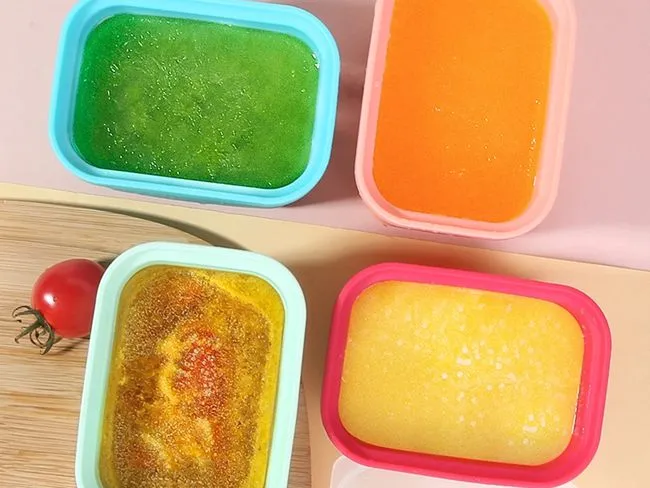
Consumers are choosing safer, more environmentally friendly goods over cheaper ones more and more. Brands that use high-quality rubber wrapping can charge more by pointing out these quality features. When customers get lasting, attractive goods that do what they're supposed to do, they're less likely to send them back. Customization choices, such as choosing a color from pink, blue, mint green, or red, let brands show themselves in a way that helps customers remember them and stay loyal. Pure cost accounting doesn't take into account these intangible perks that help with price power and customer lifetime value.
Strategic Supplier Partnership Value
Working with well-known makers gives you access to market research and product development experts. Suppliers with experience in OEM services help brands avoid design mistakes that happen when a new product is released for the first time. With fast development, you can get your product to market faster and take advantage of chances before they're gone. When conversation and transport are reliable, stock-outs don't happen, which hurts sales and customer relationships. These aspects of the relationship add value beyond the physical goods themselves, which helps the business reach its growth goals.
Conclusion
Buying Silicone Freezer Trays with lids is more of an investment than a simple buy of a commodity. The fact that the materials are safe for food, can be used at different temperatures, and can keep food fresh meets real business needs in the meal preparation, baby food, and consumer product categories. Even though the beginning costs are higher than basic options, the overall value offered, which includes durability, operating efficiency, less waste, and brand promotion, is very strong. Professionals in charge of buying things should judge sellers based on how well they follow licensing rules, how easily they can make changes, and how reliable their partnerships are. When businesses find good makers that offer services from prototyping to bulk production, they can try ideas without spending a lot of money and still be able to grow as needed.
FAQ
Q1: What temperature range can quality silicone freezer trays withstand?
Food-grade silicone pots that are made to last can usually handle temperatures from -40°C in deep freezers to 200°C in regular ovens. This range lets you freeze food, warm it in the microwave, and even bake it without damaging the food. This is possible with products like the KW10 model, which is rated for -40°C to 200°C. However, users should check the specifics of each product they buy because recipes range from brand to brand.
Q2: Are silicone containers truly dishwasher safe for commercial use?
Yes, certified food-grade silicone can go through many runs in a professional dishwasher without getting bent or warped. The material can handle high temperatures and has a smooth, non-porous surface that makes it perfect for cleaning at high temperatures. In some washing models, putting the silicone on the top rack keeps it from getting damaged by the hot element being close by. However, good silicone can usually handle being on the bottom rack without any problems.
Q3: How do silicone options compare environmentally to plastic containers?
Making silicone takes more energy than making basic plastic, but when you look at the environmental effect over its whole life, silicone wins. A single silicone jar that lasts for years instead of hundreds of throwaway plastic ones greatly lowers the amount of trash that is made. Silicone also doesn't have the chemicals that can mess with hormones that are found in some plastics. However, neither material breaks down easily. Because silicone can be used again and again, it is a better choice for companies that care about the environment.
Partner with Qosun for Your Silicone Freezer Tray Needs
Qosun specializes in manufacturing premium Silicone Freezer Trays designed specifically for brands, distributors, and e-commerce sellers targeting quality-conscious markets. Our food-grade silicone products carry necessary safety certifications while offering extensive customization possibilities, including color selection, logo printing, and packaging design. We understand the challenges facing growing brands—high minimum order quantities that strain cash flow, slow communication that delays launches, and inconsistent quality that damages reputation. Our approach addresses these pain points directly through flexible small-batch production, enabling product testing without excessive inventory risk, rapid prototyping services that accelerate development timelines, and rigorous quality control ensuring consistency across production runs.
As an established manufacturer with exports to over 20 countries, we bring organizational experience that makes buying things from other countries easier. Our OEM and ODM services can help your business grow, whether you need small quantities to test if your product fits the market or larger numbers to keep up with rising demand. You can email our team at qosun@qosun.com to talk about your specific needs, ask for product samples, or look into special solutions that fit your brand's image.
References
1. Smith, J. and Anderson, K. (2022). Food-Grade Silicone: Safety Standards and Commercial Applications. International Journal of Food Packaging Technology, 15(3), 234-248.
2. Thompson, R. (2021). Sustainable Kitchen Products: Environmental Impact Assessment of Reusable Food Storage Solutions. Journal of Consumer Product Research, 8(2), 112-129.
3. Martinez, L. et al. (2023). Temperature Tolerance and Durability of Polymer-Based Food Containers: A Comparative Study. Materials Science in Food Packaging, 19(1), 45-63.
4. Chen, W. (2022). B2B Procurement Strategies for Kitchen and Home Goods: Quality vs. Cost Analysis. Supply Chain Management Quarterly, 27(4), 178-195.
5. Williams, D. and Foster, P. (2021). Food Preservation Methods: Impact of Container Design on Freezer Storage Efficacy. Food Science and Technology International, 14(6), 421-438.
6. Johnson, M. (2023). E-commerce Product Selection for Home Categories: Consumer Preference Trends in Sustainable Kitchenware. Digital Retail Insights, 11(2), 89-104.