- English
- French
- German
- Portuguese
- Spanish
- Russian
- Japanese
- Korean
- Arabic
- Irish
- Greek
- Turkish
- Italian
- Danish
- Romanian
- Indonesian
- Czech
- Afrikaans
- Swedish
- Polish
- Basque
- Catalan
- Esperanto
- Hindi
- Lao
- Albanian
- Amharic
- Armenian
- Azerbaijani
- Belarusian
- Bengali
- Bosnian
- Bulgarian
- Cebuano
- Chichewa
- Corsican
- Croatian
- Dutch
- Estonian
- Filipino
- Finnish
- Frisian
- Galician
- Georgian
- Gujarati
- Haitian
- Hausa
- Hawaiian
- Hebrew
- Hmong
- Hungarian
- Icelandic
- Igbo
- Javanese
- Kannada
- Kazakh
- Khmer
- Kurdish
- Kyrgyz
- Latin
- Latvian
- Lithuanian
- Luxembou..
- Macedonian
- Malagasy
- Malay
- Malayalam
- Maltese
- Maori
- Marathi
- Mongolian
- Burmese
- Nepali
- Norwegian
- Pashto
- Persian
- Punjabi
- Serbian
- Sesotho
- Sinhala
- Slovak
- Slovenian
- Somali
- Samoan
- Scots Gaelic
- Shona
- Sindhi
- Sundanese
- Swahili
- Tajik
- Tamil
- Telugu
- Thai
- Ukrainian
- Urdu
- Uzbek
- Vietnamese
- Welsh
- Xhosa
- Yiddish
- Yoruba
- Zulu
News
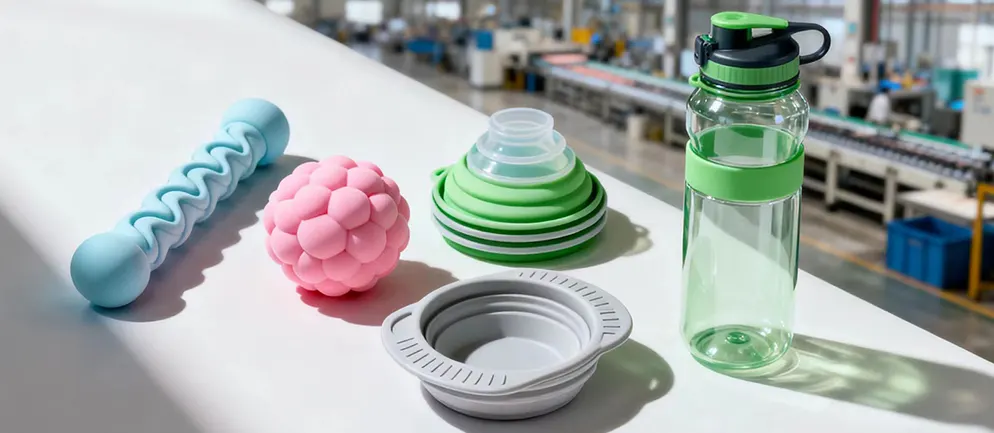
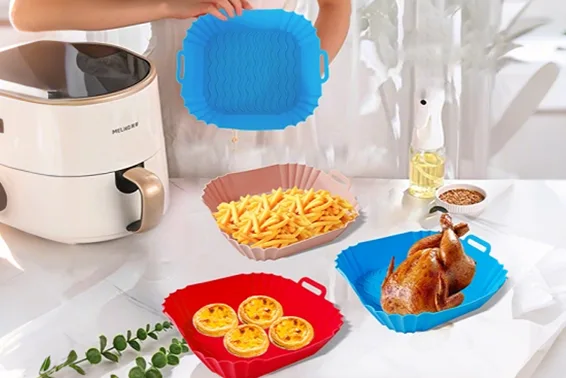
The silicone household products sector continues to grow strongly in 2025 as consumers increasingly choose modern, durable, and eco friendly alternatives to traditional kitchen and home goods. Market research reports forecast that the silicone household category will exceed 4.5 billion USD in 2025, supported by a compound annual growth rate of about 6 to 7 percent through 2033. This upward trend reflects changing lifestyles, a rising focus on home improvement, and the superior performance of silicone materials.
Silicone has gained popularity due to its high heat resistance, non stick properties, long lifespan, and excellent flexibility. Compared with plastic, metal, or wood, silicone is easier to clean, more resistant to wear, and capable of withstanding both hot and cold temperatures. As a result, common household silicone products such as trivets, coasters, baking mats, cooking utensils, food containers, and reusable kitchen accessories are becoming everyday essentials. Consumers appreciate their convenience, comfort, and ability to simplify domestic tasks.
Another major driver of market expansion is the global trend toward sustainable living. Reusable silicone bakeware, food storage bags, and kitchen mats help reduce single use plastics, aligning with eco friendly lifestyles. Manufacturers are responding by using higher purity, platinum cured silicone to ensure safety and durability, while also improving product elasticity and surface finish. This combination of sustainability and functionality makes silicone products appealing to environmentally conscious consumers.
The industry is also benefiting from creative and aesthetic product design. Silicone trivets and coasters shaped like fried eggs, cartoon characters, geometric patterns, flowers, and abstract art attract younger buyers looking to personalize their home spaces. Silicone’s flexibility allows manufacturers to create unconventional shapes and textures, merging practicality with decoration. This design freedom enhances brand competitiveness and keeps the market dynamic.
E commerce continues to redefine the sales landscape. Online stores allow consumers to discover new silicone household products from around the world, compare prices instantly, and access custom factory services. Many manufacturers now provide OEM and ODM solutions for branding, packaging, and product customization, which has increased global cooperation opportunities. Retailers benefit from lower inventory risks and broader product variety, further accelerating the market’s growth through digital channels.
Despite these positive developments, challenges remain in the raw material supply chain. Premium silicone requires complex processing and higher quality control standards, leading to increased production costs. Additionally, fluctuations in global raw material prices and evolving environmental regulations affect manufacturing stability. Nevertheless, market potential remains strong as consumer behavior continues to favor healthier, more durable, and more creative home solutions.
Looking ahead, manufacturers that combine strong production capability with innovation, sustainability, and customization are expected to lead the market. As home organization, cooking activities, and lifestyle aesthetics continue to rise in importance worldwide, silicone household products are well positioned to maintain their upward trajectory. The years ahead offer promising opportunities for brands and suppliers who can deliver high quality, eco friendly, and well designed silicone goods that meet modern consumer expectations.
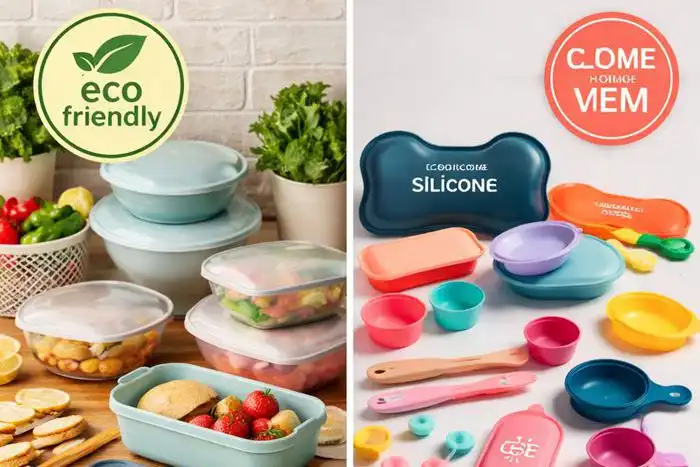
In recent years, the global home goods industry has witnessed a remarkable shift toward sustainability, and silicone products are emerging as a key beneficiary of this transformation. As consumers become increasingly aware of environmental issues and health concerns, demand for eco-friendly, reusable, and non-toxic materials has surged—placing silicone home products at the forefront of modern household consumption.

One of the most significant trends shaping the silicone homeware market is the transition away from single-use plastics. Reusable silicone food storage bags, baking mats, and stretch lids are gaining popularity among environmentally conscious consumers who aim to reduce waste and embrace a “zero-waste kitchen” lifestyle. These products not only minimize environmental impact but also offer long-term cost savings, making them an attractive option for households worldwide.
In addition to sustainability, safety and health considerations are key drivers of consumer demand. Silicone is widely recognized for its non-toxic, food-grade properties and high temperature resistance, making it suitable for direct contact with food and safe for use in ovens, microwaves, and freezers. Consumers are increasingly prioritizing materials that are free from harmful chemicals, and silicone meets these expectations while delivering durability and reliability.
Another important trend is the growing preference for multifunctional and space-saving products. As urban living spaces become smaller, consumers are seeking versatile kitchen tools that can perform multiple functions. Silicone bakeware that can be used for baking, freezing, and steaming, as well as collapsible containers and foldable kitchen accessories, are becoming essential items in modern homes.
Design innovation is also playing a crucial role in attracting consumers. Silicone products are now available in a wide variety of colors, textures, and modern designs, appealing to younger consumers who value both functionality and aesthetics. From pastel-toned kitchen tools to minimalist home accessories, silicone products are evolving to match contemporary interior design trends.

Furthermore, the influence of social media platforms such as Instagram and TikTok has accelerated the popularity of silicone home products. Viral videos showcasing innovative kitchen gadgets and home organization solutions have significantly increased consumer awareness and purchase intent, particularly among younger demographics.
Looking ahead, the silicone home products market is expected to continue its strong growth trajectory, driven by advancements in material technology and increasing consumer demand for sustainable solutions. Industry reports indicate steady expansion fueled by eco-conscious lifestyles, health awareness, and the need for durable household products.
As the market evolves, manufacturers are focusing on innovation, customization, and quality to meet diverse customer needs. Companies that can combine sustainability with functionality and attractive design are well-positioned to succeed in this competitive landscape.
About QoSun
Founded in 2017, QoSun is a professional manufacturer specializing in silicone products across home goods, kitchen tools, maternal & baby items, and pet supplies. With strong OEM/ODM capabilities, strict quality control, and mature production lines, we provide reliable one-stop solutions to global clients.
Email: qosun@qosun.com
Website: https://www.qosun.com/
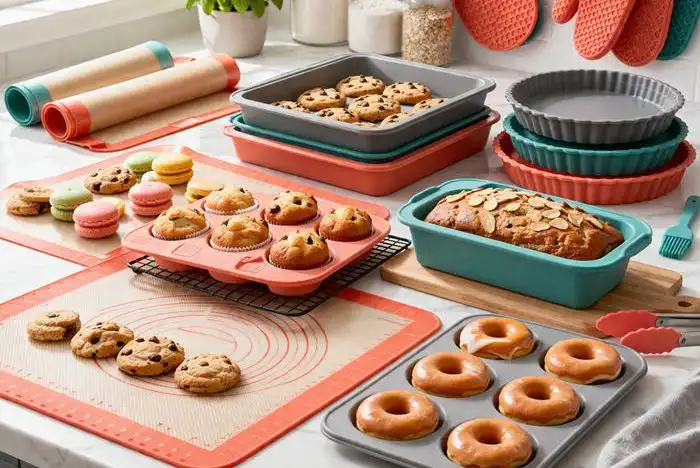
Silicone Household Products Innovation & OEM Trends | Custom Silicone Manufacturer
The global silicone household products industry is entering a new phase of innovation, driven by evolving consumer expectations and rapid technological advancements. As modern lifestyles demand greater convenience, personalization, and efficiency, silicone products are increasingly being designed to meet these dynamic needs.
One of the most prominent trends in today’s market is the rise of customization and OEM/ODM solutions. Businesses and brands are actively seeking unique silicone products that align with their identity and differentiate them in a competitive market. From custom baking molds to branded kitchen tool sets, personalized solutions are becoming a major driver of purchasing decisions.
Technological advancements in silicone manufacturing are also transforming the industry. Digital mold development and precision production processes allow manufacturers to create complex designs with higher efficiency and consistency. This not only reduces production time but also enhances product quality, enabling faster response to market trends.
Consumer demand is shifting toward specialized and high-performance products. Instead of basic kitchen tools, buyers are increasingly interested in advanced silicone solutions such as sous vide cooking accessories, portion-control containers, and innovative food storage systems. These products cater to consumers who prioritize healthy living and modern cooking techniques.
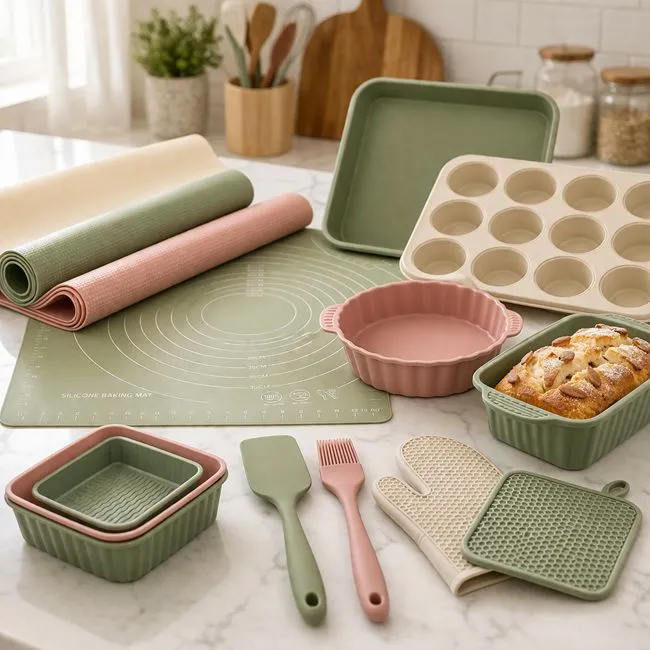
Health and safety remain key considerations. Silicone’s non-toxic, odorless, and easy-to-clean properties make it an ideal material for food-related applications. Products designed for baby feeding, meal preparation, and food storage are especially popular among families seeking safe and reliable solutions.
Convenience is another critical factor influencing purchasing decisions. Silicone products are flexible, durable, and easy to maintain, offering superior user experience compared to traditional materials. Features such as non-stick surfaces and dishwasher-safe designs further enhance their appeal.
Moreover, silicone applications are expanding beyond kitchens into broader household scenarios, including baby care, pet products, and home organization. This diversification highlights the versatility of silicone and its ability to meet a wide range of consumer needs.
With global demand continuing to rise, manufacturers are investing in advanced production capabilities and stricter quality standards to meet international expectations. Companies that prioritize innovation, customization, and customer-centric services are well-positioned for long-term growth.
About QoSun
QoSun specializes in high-quality silicone manufacturing with strong OEM/ODM capabilities, offering customized solutions, mold development, and efficient production for global clients. We are committed to delivering reliable products and long-term partnership value.
Email: qosun@qosun.com
Website: https://www.qosun.com/
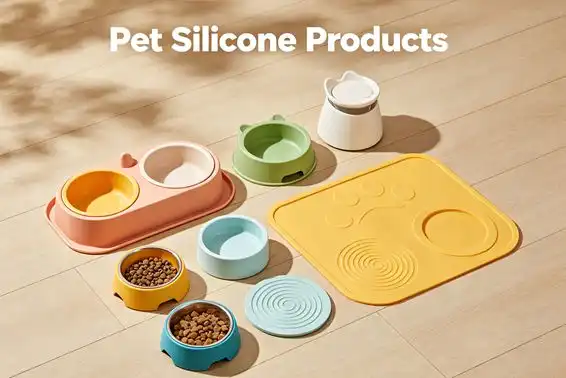
The global pet silicone products market is experiencing robust growth, driven by rising pet humanization, strict safety standards, and sustainability demands. In 2025, the market reached USD 1.6 billion, with a 7.4% CAGR projected through 2030, as silicone replaces plastic in bowls, toys, feeders, and travel gear. China, as the world’s largest silicone manufacturer, stands at the center of this expansion, with pet product exports hitting USD 18.6 billion in 2025 (up 22.4% YoY) and forecast to reach USD 22.8 billion in 2026.
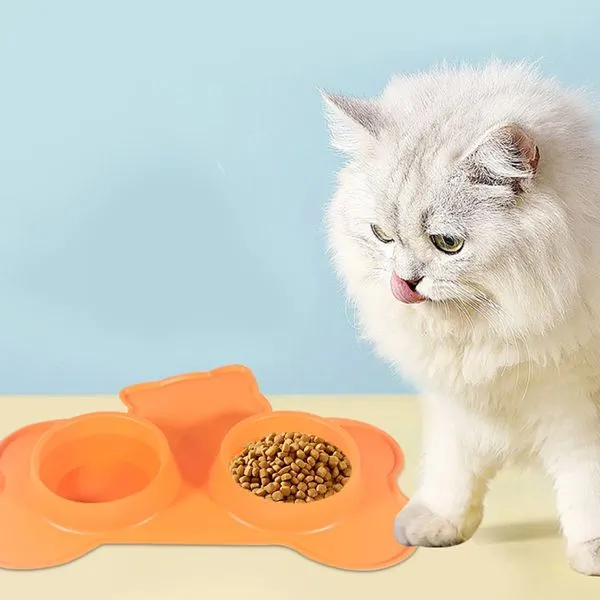
Market Drivers: Safety, Sustainability & Youthful Pet Owners
Pet owners increasingly prioritize non-toxic materials: 65% of consumers avoid plastic due to BPA and phthalate risks, while 70% prefer eco-friendly, reusable brands. Silicone—BPA-free, food-grade, heat-resistant (-40°C to 230°C), and dishwasher-safe—perfectly matches these demands. Demographically, Gen Z and millennials (43.7% of China’s pet owners in 2025) fuel premiumization, favoring stylish, functional, and socially shareable silicone products.
Top Product Categories & Export Hotspots
Leading silicone pet items include:
- Collapsible travel bowls: Lightweight, space-saving, ideal for outdoor activities.
- Lick mats & slow feeders: Reduce choking and anxiety during meals.
- Chew toys: Durable, soft on teeth, and resistant to outdoor weather.
- Waterproof collars/leashes: Odorless, mud-resistant, and flexible.
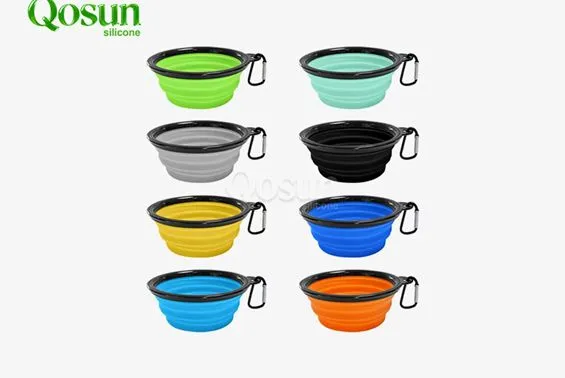
Export destinations are concentrated in North America (40%), Europe (30%), and Northeast Asia (15%), where FDA and LFGB certifications are mandatory. Cross-border e-commerce (Amazon, Chewy, AliExpress) accelerates sales, with online pet product revenue growing at 15% annually.
China’s Competitive Edge & Supply Chain Upgrades
China’s advantage lies in cost-effective OEM/ODM capacity, mature silicone supply chains, and rising certification standards. By 2025, 37 domestic firms held ISO 13485 medical-grade silicone credentials, ensuring consistent quality. Manufacturers offer custom colors, logos, and textures, meeting private-label demand from global brands. Meanwhile, sustainable production—such as recyclable packaging and low-waste molding—boosts appeal to eco-conscious buyers.
Challenges & Future Outlook
Despite growth, challenges include raw material price volatility, intensified competition, and tariff barriers in some regions. However, innovation in antibacterial silicone and smart pet gear (e.g., temperature-sensing feeders) will unlock new opportunities. By 2027, the market is expected to exceed USD 2 billion, with China’s export share rising to 60%.
In summary, pet silicone products are no longer niche—they are a mainstream, high-growth category. For global buyers, China offers reliable, scalable, and compliant solutions; for manufacturers, focusing on safety, sustainability, and customization will be key to capturing global demand.
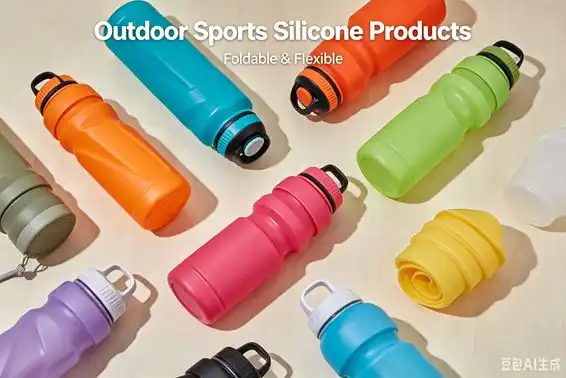
The 2026 outdoor sports industry is witnessing a material shift toward silicone, as consumers demand lightweight, portable, and eco-friendly gear for hiking, camping, running, and water sports. The global outdoor silicone products market is projected to reach USD 2.1 billion in 2026, growing at 6.7% CAGR through 2033, driven by the boom in adventure tourism and plastic reduction policies. China, as the world’s leading silicone producer, dominates OEM/ODM manufacturing, supplying 70% of global outdoor silicone gear.
Core Trends: Foldable, Lightweight & Multi-Functional
The top trend is foldable/collapsible design, which solves storage and portability pain points. Key products include:
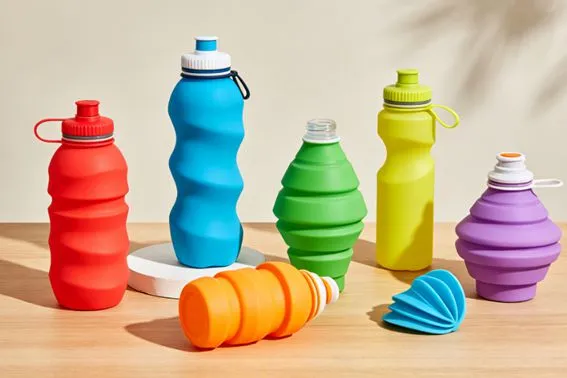
- Collapsible water bottles: 52 million units sold globally in 2024; fold to 1/5 size, heat-resistant, and BPA-free.
- Silicone hydration bladders: Lightweight, kink-resistant, and easy to clean for hiking.
- Collapsible buckets: 6–10L capacity, ideal for camping, fishing, and outdoor cleaning; market to hit USD 1.04 billion by 2034.
- Non-slip silicone mats: For yoga, camping, and picnic surfaces.
-
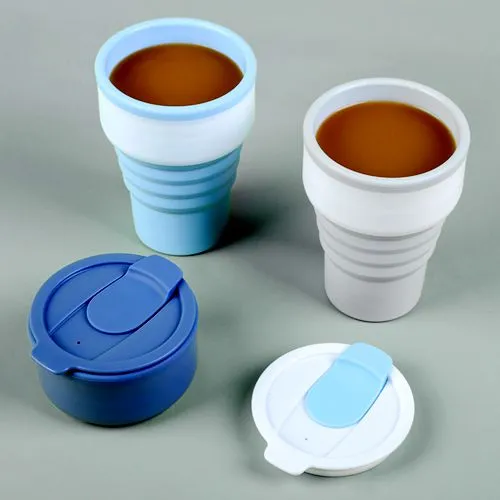
Lightweight performance is critical: silicone gear weighs 30–50% less than plastic or rubber alternatives, reducing backpack load for long treks. Meanwhile, multi-functionality—such as bowls that double as storage containers—resonates with minimalist outdoor enthusiasts.
Sustainability & Safety: Key Buying Factors
Eco-consciousness drives purchasing: 70% of outdoor consumers prefer reusable, recyclable products over single-use plastics. Silicone’s long lifespan (5+ years), reusability, and recyclability align with global sustainability goals. Safety is equally important: food-grade silicone meets FDA/LFGB standards, making it safe for hydration and food contact. Antibacterial silicone formulations, launched in 2025, further enhance hygiene for outdoor use.
Regional Demand & China’s Manufacturing Strength
North America (34%) and Europe (28%) lead demand, driven by camping and hiking culture, while Asia-Pacific (30%) grows rapidly due to domestic outdoor participation and tourism recovery. China’s manufacturing ecosystem offers unrivaled advantages:
- Advanced LSR (Liquid Silicone Rubber) molding: Enables high-precision, thin-wall products with consistent quality.
- Cost efficiency: 20–30% lower production costs than Western manufacturers.
- Flexible MOQs: Supports both bulk orders and small-batch customizations for startups.
- Certification compliance: Most factories hold ISO, FDA, and CE certifications.
Innovation & Future Growth
2026 will see breakthroughs in smart silicone gear, such as temperature-monitoring water bottles and UV-protective silicone fabrics. Biobased silicones, made from renewable raw materials, will reduce carbon footprints and attract eco-brands. Meanwhile, 3D-printed silicone components enable rapid prototyping and personalized designs, accelerating time-to-market.
Conclusion
Outdoor silicone products are redefining the outdoor experience—lighter, safer, greener, and more convenient. In 2026, foldable hydration, collapsible storage, and multi-functional gear will dominate shelves. For brands and buyers, China’s OEM/ODM sector delivers quality, scalability, and innovation. As outdoor participation and sustainability awareness rise, silicone will remain the material of choice for the modern adventurer.
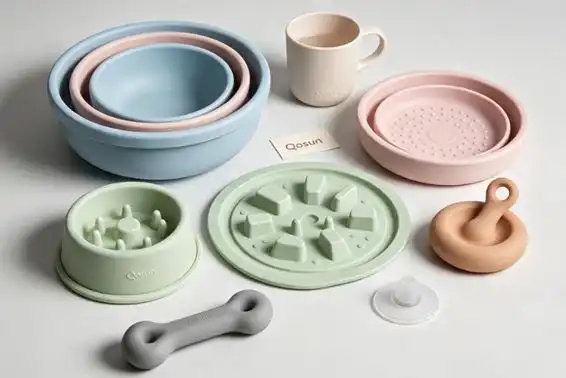
Current Market Trend: Homogenised Competition Fades, Segmented Products Gain Popularity
Driven by rising trends including outdoor pet travelling, pet anxiety relief and precision feeding, the silicone pet product market is stepping away from vicious low-price homogenised competition. Scenario segmentation, functional innovation and private-label customisation stand out as three major growth drivers in 2026. Basic generic silicone bowls face shrinking profit margins and fierce price wars. In contrast, segmented SKUs such as 3-in-1 multifunctional outdoor feeding sets, multi-texture calming licking mats and freezable silicone slow feed mats register continuous sales growth on cross-border platforms and boutique pet shops. Targeted functional products targeting specific usage scenarios create higher added value for sellers.

Refined Consumer Needs Push Up Demand for Customised Merchandise
Feedback from overseas channels reflects increasingly refined consumer demands. Outdoor pet lovers favour lightweight foldable feeders integrated with poop bag dispensers. Pet grooming salons and veterinary clinics prefer silicone licking mats for stress relief during bathing and nail trimming. Premium pet boutiques pursue unique colour palettes and texture designs to stand out from competitors. As a result, standard universal products can hardly satisfy diversified customer groups, pushing upstream factories to strengthen R&D and support flexible customisation on appearance, textures and colours. Furthermore, sustainable consumption awareness keeps rising. Overseas purchasers favour durable reusable silicone goods and gradually cut orders of single-use plastic pet accessories to match their brand’s eco-friendly positioning.
Major Sourcing Pain Points Faced by Global B2B Buyers
Nevertheless, many B2B buyers encounter prominent sourcing pain points in practice. Most traditional manufacturers only offer fixed stock items with high minimum order quantities and long sample lead times. Some suppliers merely provide simple logo printing without support for texture revision or new mould ODM development. For startup pet brands and small cross-border sellers, high MOQs create heavy inventory risks, while slow sampling may cause them to miss seasonal sales windows. Undoubtedly, launching differentiated bestsellers requires trustworthy manufacturing partners with both independent R&D capacity and flexible production arrangements to adapt to fluctuating market demands.
Qosun Empowers Brands with Diversified Product Lines & Full Custom Services
Responding quickly to such market changes, Qosun continuously expands its product portfolio and optimises customised services. Its lineup covers square, forest pattern and wave silicone licking mats, 3-in-1 multifunctional portable pet feeding bowls and silicone slow feeders with abundant mature stock options. Comprehensive OEM & ODM services are available, including custom textures, exclusive colour matching, silk-screen or embossed logos and retail colour box packaging. Supported by an in-house mould workshop, prototype samples can be delivered efficiently. Flexible MOQ plans accommodate small trial orders as well as long-term bulk orders. All goods adopt BPA-free food-grade silicone, suitable for freezing and dishwasher cleaning to fit home feeding, outdoor hiking and pet grooming calming scenarios.
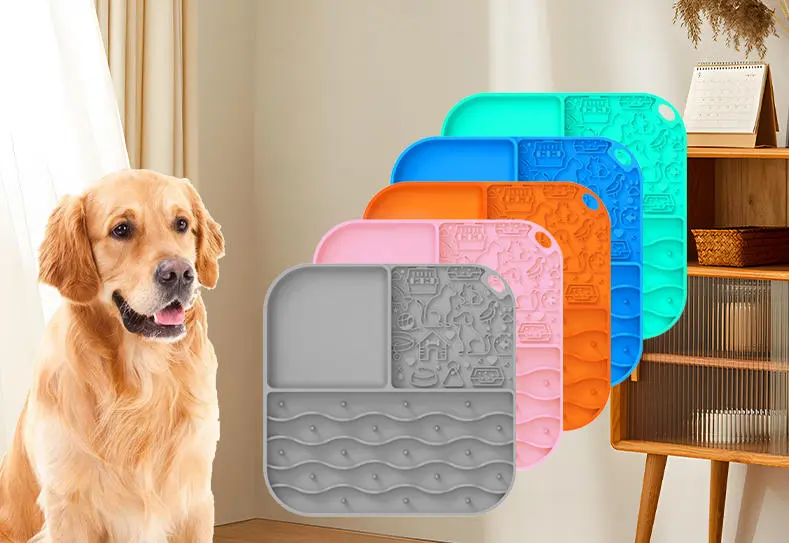
Future Prospect: Differentiation Determines Long-Term Channel Advantages
Industry analysis indicates competition within the pet supply industry will no longer rely purely on low pricing. Instead, product differentiation, supply chain response speed and full-cycle service determine long-term brand competitiveness. Therefore, buyers should move beyond the outdated mindset of chasing the lowest unit price. Priority should be given to verified source factories capable of joint new product development, small trial runs and transparent quality control. In this way, distributors can build solid channel barriers via distinctive customised products and achieve stable profit growth amid intense market competition.
To receive silicone pet product catalogues, customised solutions and samples, send your cooperation requirements to qosun@qosun.com.
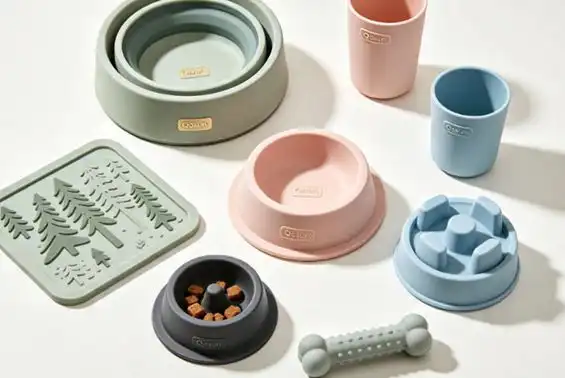
Overview: Steady Growth of Global Silicone Pet Product Sector
The global silicone pet product market maintains steady upward momentum. Industry statistics show the market size exceeded USD 520 million in 2025 and is projected to reach USD 862 million by 2032, with a compound annual growth rate of 7.5%. Food-contact silicone items including pet licking mats and collapsible travel bowls account for 53.4% of total market share. North America and Europe remain core consumption markets. As pet humanisation gains popularity year by year, overseas distributors, pet chain retailers and cross-border sellers are prioritising silicone pet products in their portfolios. Meanwhile, tightening import regulations across Western markets are reshaping the entire supply chain landscape and raising the threshold for manufacturers entering international trade.
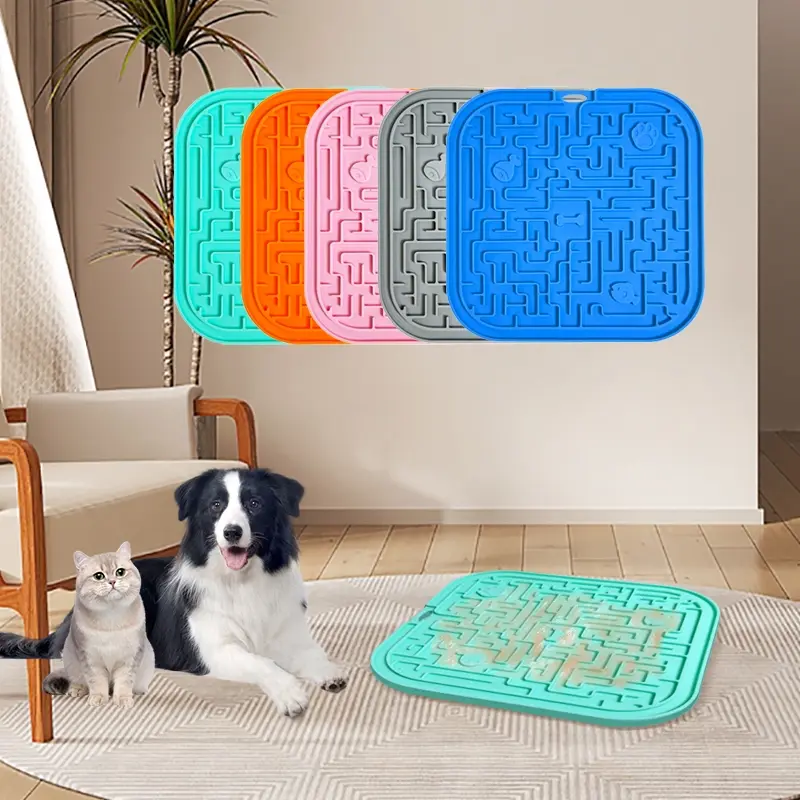
Shifting Consumer Demands Raise Higher Standards for Raw Materials
From a consumer perspective, modern pet owners no longer chase low-cost goods blindly. Material safety and pet health have become primary purchasing drivers. Compared with plastic and ordinary rubber alternatives, food-grade silicone features wide temperature resistance, non-porous easy-to-clean surfaces and excellent reusability. It fits multiple scenarios such as enrichment licking mats, foldable feeding bowls and slow feeders. Furthermore, feedback from physical pet stores and Amazon merchants reveals that premium silicone pet goods achieve far higher repurchase rates than budget plastic items and effectively boost overall profit margins. On the flip side, market chaos still persists. Many low-price stock uses non-food-grade recycled silicone without complete third-party test reports, which may lead to customs detention, e-commerce platform penalties and continuous consumer complaints for brands.
B2B Procurement Logic Transforms Amid Strict Global Regulations
Against this backdrop, B2B procurement priorities have shifted noticeably. Previously buyers focused heavily on unit prices. Today, procurement managers rank material certifications and consistent batch quality at the top of their checklist. To be specific, markets across Europe and North America require formal FDA and LFGB food contact certificates. Factories lacking complete qualification documents are gradually eliminated by mainstream retail and distribution channels. In addition, emerging small brands and cross-border startups have new practical demands: stable quality without heavy inventory pressure. Correspondingly, market demand for small trial orders and flexible OEM customisation keeps rising rapidly as merchants prefer to test market response before large-scale stocking.
Reliable Manufacturers Balance Flexible Production and Rigorous QC
Facing such obvious industrial shifts, qualified manufacturers keep upgrading production capacity and supporting services. Established silicone pet goods producer Qosun has focused on food-grade silicone product development and manufacturing since 2017. All products are supported by complete third-party safety test documents to meet import standards across major Western markets. With mature injection moulding production lines, Qosun accepts small trial orders and provides flexible OEM & ODM services including logo silk printing, colour customisation and packaging adjustment. This mature solution helps distributors and emerging brands test market response without massive inventory risks. Besides, multi-stage quality control runs from raw material inspection to finished product audit, resolving common headaches for cross-border buyers such as inconsistent colour, poor sealing and weak suction on licking mats.
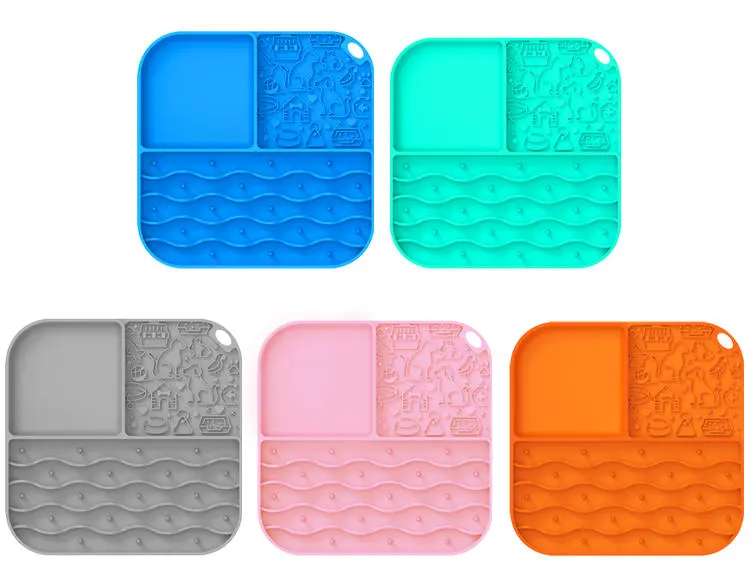
Outlook: Market Consolidation Accelerates in the Next Two Years
Industry insiders predict accelerated market consolidation in the next two years. Small workshops without valid certifications and strict QC systems will be phased out continuously. Source manufacturers with complete certifications and flexible production capacity will become preferred long-term partners for global buyers. For distributors and brand owners, securing compliant and stable supply chains as early as possible is critical to capturing growth opportunities within the silicone pet product sector. As sustainable pet care becomes mainstream, compliant reusable silicone merchandise will continue eroding the market share of disposable plastic pet accessories.
To enquire about silicone pet product customisation, sample requests and bulk quotations, please email qosun@qosun.com.
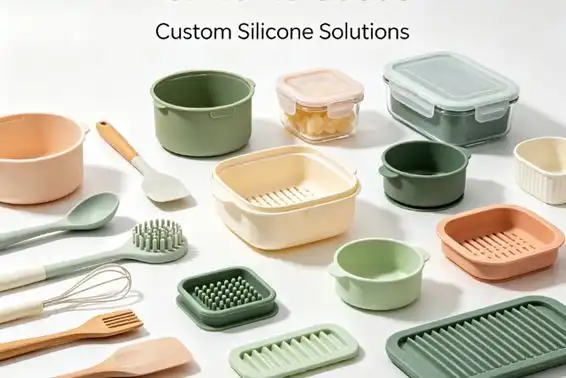
Food-Grade Silicone Multi-Category Bulk Sourcing Guide:Compliance, Mass Production & Supply Chain Control for Baby, Kitchen, Pet & Outdoor Goods
Introduction
The global market for food-grade silicone consumer goods maintains robust growth momentum in 2026. Industry statistics indicate the worldwide silicone household product market hit USD 3.85 billion in 2025, with a compound annual growth rate of 6.85% projected over the next decade. Four core segments dominate cross-border import demand: infant silicone feeding essentials, kitchen tableware, portable pet feeding supplies, and collapsible silicone travel gear. Silicone baby products alone capture 28.3% of overall food-grade silicone consumption, while kitchen silicone accessories record an 11.5% yearly growth rate, fueled by rising global preference for zero-single-use-plastic lifestyles.
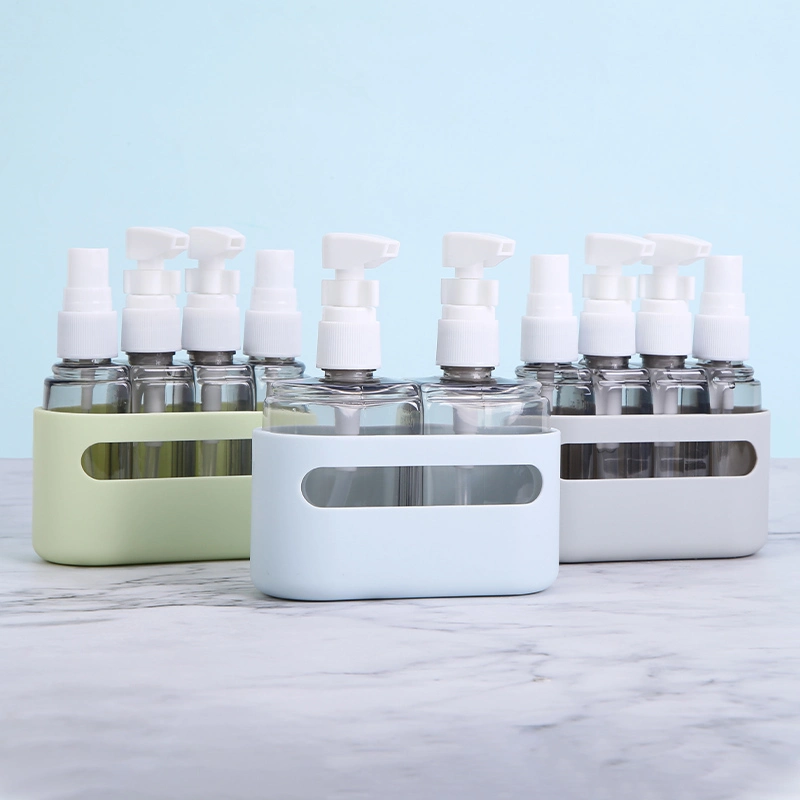
For procurement specialists serving hotel conglomerates, large retail distributors, airline amenity programs and well-established cross-border brands, sourcing multi-line silicone goods involves far more than comparing unit prices. Cross-border regulatory risks, consistent batch quality, reliable mass delivery schedules, and standardized certification management collectively shape operational expenditure, market access eligibility and long-term brand reputation. This guide breaks down differentiated procurement benchmarks across four silicone product categories, summarizes universal supply chain risk control measures, and explores how mature integrated silicone production facilities can resolve prevalent pain points in large-volume purchasing.
1. Differentiated Compliance Standards Across Four Silicone Product Segments
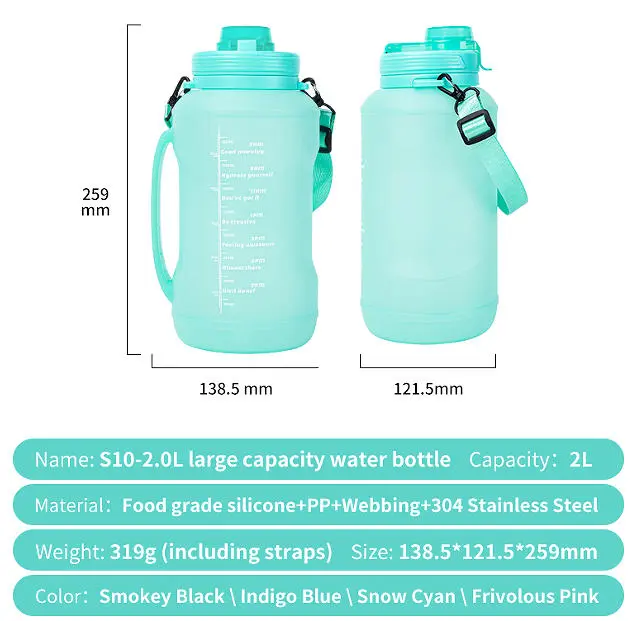
Regulatory criteria vary significantly based on end-use scenarios, and mixed-category bulk orders raise stricter requirements for unified supplier certification archives.1.1 Silicone Baby Supplies (Teethers, Feeding Bowls, Training Spoons)Infant silicone items are subject to the world’s most stringent testing protocols. All raw silicone materials must satisfy FDA 21 CFR 177.2600 standards for the U.S. market and full LFGB migration testing for European and German sales. Limits on heavy metals, phthalates and volatile organic compounds are 30% more rigorous than those applied to standard kitchen silicone. Procurement teams should request batch-specific SGS lab reports instead of generic factory certificates; low-grade recycled silicone often triggers chemical leaching after repeated high-temperature sterilization, triggering consumer complaints and market recall risks.1.2 Silicone Kitchenware (Meal Prep Bento Boxes, Baking Mats, Cooking Utensils)Retail and commercial kitchen buyers prioritize stable heat resistance ranging from -40°C to 230°C and long-term odor resistance. EU importers additionally demand adherence to Regulation 10/2011 and REACH SVHC substance restrictions. Industry sampling surveys show 60% of low-cost generic silicone cookware fails prolonged oil contact testing, developing sticky surfaces and persistent unpleasant odors within three months of regular household use.1.3 Silicone Pet Products (Collapsible Travel Bowls, Slow Lick Mats)European pet goods importers require dual LFGB food-contact and REACH compliance, while North American retail channels mandate third-party BPA-free validation. Foldable pet feeding vessels undergo up to 5,000 repeated folding cycle durability assessments to prevent cracking during hiking, camping and outdoor travel scenarios.1.4 Outdoor & Travel Silicone Gear (Collapsible Sports Water Bottles, 89ml TSA-Compliant Toiletry Containers)Hotel and airline bulk procurement adds mandatory TSA liquid volume compliance as a non-negotiable baseline standard. All sub-100ml travel silicone vessels need consistent triple-layer leakproof performance under altitude pressure shifts, verified via simulated air cargo and cabin transit testing.
2. Universal Pain Points for Large-Volume Silicone Procurement Teams
2.1 Scattered Supplier Portfolios Drive Up Administration CostsMost silicone manufacturers specialize in only one narrow product category, forcing procurement teams to coordinate three to four separate factories when sourcing mixed baby, kitchen, pet and outdoor lines. Fragmented suppliers multiply communication workloads, extend total production lead times, and create inconsistent certification standards across separate product batches.2.2 Inconsistent Mass Production QualityCost-cutting unregulated manufacturers blend recycled silicone into virgin raw materials, resulting in uneven wall thickness, inconsistent color shading and shortened product lifespans during high-volume runs. Hospitality and retail bulk purchasers frequently encounter defective rates between 10% and 15% from inexperienced suppliers, generating costly return logistics and negative end-user feedback.2.3 Disorganized Compliance Documentation Delays Customs ClearanceSeparate test reports for individual product lines create disjointed filing packages. Many small-scale silicone producers cannot compile unified full certification dossiers covering multiple categories, which often leads to cargo detention, customs fines and missed seasonal sales windows at EU and North American ports.2.4 Rigid MOQ and Customization RestrictionsTraditional silicone production facilities enforce steep minimum order quantities for custom logo engraving, private label packaging and custom Pantone color matching, creating financial barriers for mid-sized chain brands launching mixed-category seasonal merchandise collections.
3. How Integrated Multi-Category Silicone Production Resolves Bulk Sourcing Challenges
Manufacturers with end-to-end capabilities across all four silicone product lines eliminate most of the above procurement hurdles through standardized, unified operational frameworks. Factories with over eight years of specialized silicone manufacturing experience, operating since 2017, have refined synchronized production workflows covering infant feeding goods, kitchen tableware, pet feeding accessories and travel silicone containers, delivering consistent service to brand partners spanning more than 20 countries.
Such integrated facilities maintain complete, unified global certification archives. Platinum-cured virgin food-grade silicone is adopted across all production lines, with FDA, LFGB, REACH, RoHS, ISO 9001 and SGS test records available for every individual batch. Dedicated compliance teams organize consolidated certification packages for mixed bulk orders, streamlining customs clearance procedures for cross-border importers and eliminating delays tied to scattered documentation.
Automated molding workshops support simultaneous mass manufacturing across all four silicone product series, with robust monthly output capacity to accommodate full-container mixed-category orders. A three-tier quality control system runs through every production stage: raw material incoming inspection, mid-production random sampling, and full pre-shipment batch testing. All finished goods complete folding endurance, extreme temperature resistance and altitude leak simulation assessments before dispatch, maintaining stable defective rates well below 2%.
For hotel groups, airline amenity buyers and large global distributors, synchronized OEM and ODM customization workflows streamline brand alignment across all product ranges. Clients can implement consistent silk-screen or laser brand marking, uniform Pantone color palettes and coordinated retail packaging solutions including OPP pouches, EVA gift sets and custom outer cartons. In-house engineering teams adjust mold structures to minimize additional surcharges for mixed-line custom orders, balancing brand personalization with bulk purchasing cost efficiency.
Production schedules are flexibly calibrated to match client timelines, with standard lead times of 15 to 25 working days post sample confirmation. Reserved dedicated production lines are allocated to long-term bulk partners during peak travel, holiday and retail seasons to guarantee on-time shipment. Tiered volume pricing structures deliver meaningful per-unit cost reductions for full-container mixed orders, lowering overall landed expenses covering ocean freight, import duties and logistics handling fees.
4. Strategic Long-Term Cooperation Advice for Bulk Procurement Teams
First, prioritize integrated multi-category silicone manufacturers to consolidate supplier portfolios and reduce cross-team administrative overhead. Second, embed requirements for batch-specific lab test reports within formal procurement contracts to clarify liability for compliance failures. Third, sign annual framework cooperation agreements with qualified production partners to secure priority manufacturing capacity and stabilized tiered pricing amid fluctuating global silicone raw material costs. Fourth, leverage unified one-stop OEM capabilities to align brand visual identities across infant, kitchen, pet and outdoor silicone SKUs, strengthening cohesive brand recognition across global retail markets.
Conclusion
As worldwide sustainability regulations tighten and consumer demand for safe, reusable silicone household goods continues to expand, large-volume silicone procurement has evolved far beyond simple unit price comparison. Integrated production partners equipped with cross-category full compliance credentials, stable mass manufacturing capacity and flexible customization frameworks deliver irreplaceable supply chain value to international B2B purchasers.
If your team oversees bulk procurement for retail chains, hotel and airline amenity programs, or cross-border distribution brands and is searching for a seasoned multi-line silicone production partner capable of handling mixed-category orders with consistent compliance and reliable lead times, our team remains ready to share detailed batch test samples, tailored quotation breakdowns and customized production roadmaps aligned with your brand’s global market expansion goals.
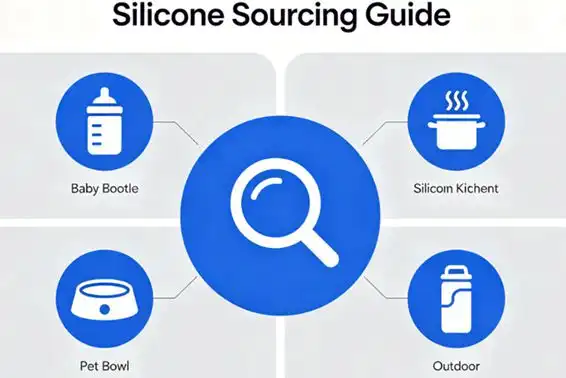
Driven by rising consumer demand for eco-friendly, plastic-free daily supplies, small and medium-sized cross-border merchants, startup DTC brands, corporate gift distributors and offline retail boutique operators have rapidly expanded their silicone product portfolios, covering baby feeding supplies, kitchen silicone tableware, portable pet bowls and collapsible outdoor travel silicone containers. Compared with large-scale group procurement, small-volume buyers face unique sourcing obstacles: limited capital for trial inventory, confusing material authenticity discrimination, opaque OEM customization costs and inconsistent factory service standards.
2026 cross-border e-commerce industry research data shows that nearly 62% of small silicone product sellers encounter operational losses within their first year of launch, primarily stemming from uncertified raw materials, leaky or easily damaged finished goods, delayed sample and mass production lead times, and hidden customization surcharges from unprofessional manufacturers. This practical guide summarizes actionable risk avoidance rules covering material identification, small-batch order planning, OEM customization negotiation and standardized factory audits, helping mid-tier purchasers reduce trial-and-error costs while securing stable, compliant silicone inventory.
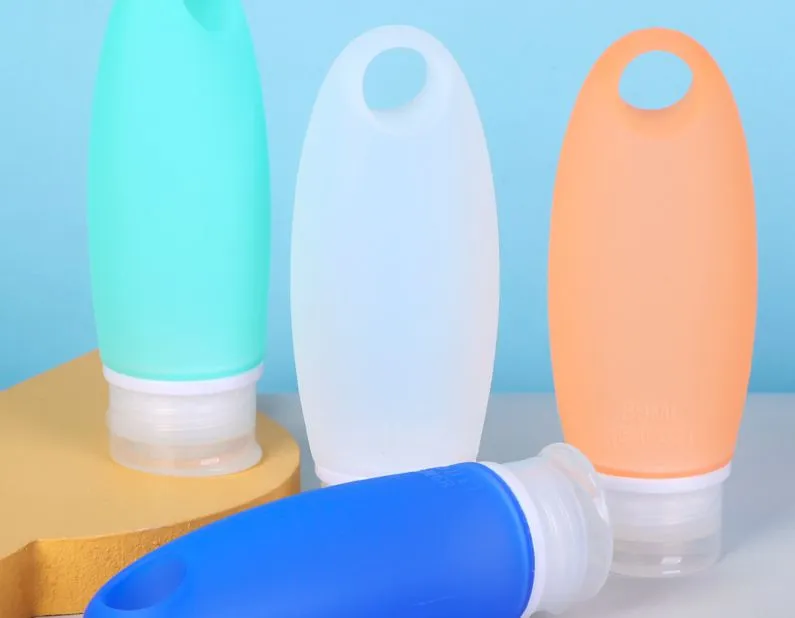
1. Core Material Identification Rules to Avoid Substandard Silicone Raw Materials
The foundation of high-quality silicone merchandise lies in raw material selection, yet most mid-sized buyers lack professional lab testing resources to verify silicone purity on their own. Two core silicone grades dominate the market: platinum-cured food-grade virgin silicone and peroxide-cured mixed silicone blended with recycled scraps.
All baby, food-contact and travel silicone goods intended for U.S. and EU sales must use platinum-cured virgin silicone. This material resists odor absorption, withstands repeated high and low temperature exposure and meets full FDA and LFGB migration testing standards. Lower-cost peroxide silicone often releases faint chemical odors after heating and fails strict European food-contact migration limits, triggering listing removal penalties on Amazon, Shopify and other mainstream cross-border platforms.
When communicating with potential manufacturers, buyers can request material certification reports corresponding to exact silicone batches, rather than generic factory-wide certificates. Reliable production partners will voluntarily provide independent SGS test documentation matching the raw material lots used for client orders. Established multi-category silicone factories maintain long-term cooperative relationships with certified silicone raw material suppliers, enabling transparent traceability for every batch of input materials without extra testing fees for small trial orders.
2. Small-Batch OEM Sourcing Key Negotiation Points & Risk Control
Most new brand operators and boutique retailers rely on small trial orders to test market feedback before scaling up to bulk shipments. Traditional single-category silicone factories impose rigid high minimum order quantities, creating inventory pressure for emerging brands, while integrated multi-line silicone production facilities offer flexible tiered MOQ plans to support market testing across mixed baby, kitchen, pet and outdoor silicone SKUs.
Three critical negotiation points help buyers lock in favorable OEM terms:2.1 Sample production cycle: Confirm clear timelines for prototype development, with experienced factories delivering customized branded samples within 7 working days. Avoid manufacturers with vague sample turnaround commitments exceeding two weeks, which will delay market launch schedules.2. Customization cost transparency: Clarify separate fees for mold development, silk-screen or laser logo marking, Pantone color matching and retail packaging customization upfront, eliminating unexpected hidden charges during mass production. Many integrated silicone producers offer discounted logo printing fees for clients combining multiple product lines within one small trial shipment.2.2 Flexible order adjustment policies: Prioritize factories allowing minor SKU quantity adjustments within small-batch orders, accommodating shifts in market demand without punitive surcharges.
For mixed-category small trial orders, consolidating baby, kitchen, pet and travel silicone goods into one unified shipment also cuts per-unit international logistics costs significantly, a cost advantage only accessible via manufacturers covering all four product ranges.
3. Universal Product Performance Testing Standards Before Order Confirmation
Regardless of order volume, buyers should mandate standardized pre-production performance testing to eliminate post-launch consumer complaints:
Silicone baby goods: High-temperature steam sterilization cycle testing to confirm no deformation or chemical odor release;
Kitchen siliconeware: Continuous oil and high-temperature exposure testing to verify anti-stain and odor-resistant performance;
Collapsible pet silicone bowls: 5,000-cycle folding endurance testing to prevent cracking during outdoor use;
Travel silicone bottles & collapsible water cups: Altitude simulation leak testing to eliminate spillage risks during air travel.
Mature silicone production teams integrate all these performance assessments into routine pre-shipment QC workflows for both small trial batches and full-container bulk orders, removing the need for buyers to arrange third-party testing independently and lowering overall sourcing expenses.
4. Standard Factory Audit Checklist for Mid-Tier Silicone Buyers
For purchasers without on-site inspection teams, a simplified remote factory audit checklist can effectively filter unqualified suppliers, focusing on four core dimensions:4.1 Production environment: Dedicated dust-free molding workshops for food-contact silicone products, separated storage zones for certified virgin silicone raw materials and recycled silicone scraps to avoid cross-contamination;4.2 Quality control workflows: Documented three-stage inspection processes covering raw materials, semi-finished goods and finished products, with complete inspection records retained for each batch;4.3 Compliance archive completeness: Organized digital and physical filing systems for FDA, LFGB, REACH and ISO certification documents, available for quick digital sharing upon client request;4.4 Cross-category production capacity: Synchronized production lines for baby, kitchen, pet and outdoor silicone merchandise, demonstrating stable output capacity for mixed SKU orders.
Manufacturers with nearly a decade of specialized silicone production operations routinely provide virtual factory tour footage, full QC workflow records and historical cross-border client cooperation cases to streamline remote audit processes for small and medium purchasers.
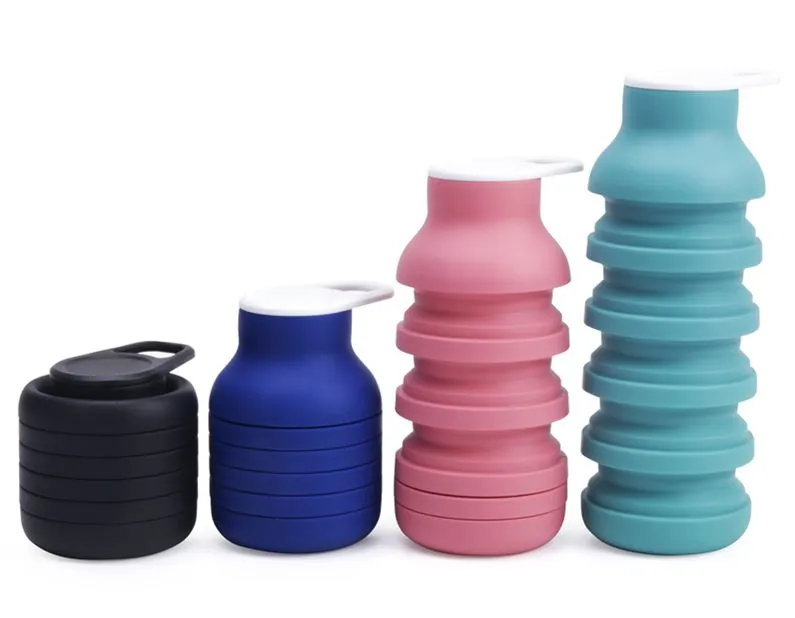
5. Hidden Sourcing Risks Worth Extra Attention
Many mid-sized buyers overlook two easily neglected risks: inconsistent packaging quality and inflexible after-sales defect handling clauses. Generic silicone factories often outsource packaging production to third-party vendors, resulting in mismatched printing colors and fragile packaging that damages finished goods during transit. Integrated silicone manufacturers operate in-house packaging workshops to align packaging quality standards with silicone product specifications, maintaining consistent brand presentation across all mixed SKUs.
Additionally, formal after-sales compensation terms should be confirmed before order placement, outlining clear resolution protocols for defective batches caused by factory production errors. Long-term focused silicone production partners maintain standardized after-sales service mechanisms for clients of all order sizes, providing targeted replacement or compensation solutions for eligible defective goods without cumbersome dispute procedures.
Conclusion
For small and medium cross-border sellers, startup brands and corporate gift distributors, successful silicone goods sourcing balances compliant raw material selection, flexible small-batch OEM terms and transparent factory quality management. By partnering with integrated multi-category silicone manufacturers equipped with complete global certification archives, standardized pre-shipment testing and flexible trial order policies, mid-tier purchasers can drastically reduce trial-and-error costs while building stable, market-ready silicone product lines covering baby, kitchen, pet and outdoor segments.
If you are currently planning small trial silicone orders to test cross-border market demand and hope to access verified material lab reports, fast customized sample development and flexible mixed-category MOQ arrangements, our team can provide tailored sourcing solutions matching your brand’s inventory budget and global sales layout.

The silicone household products sector continues to grow strongly in 2025 as consumers increasingly choose modern, durable, and eco friendly alternatives to traditional kitchen and home goods. Market research reports forecast that the silicone household category will exceed 4.5 billion USD in 2025, supported by a compound annual growth rate of about 6 to 7 percent through 2033. This upward trend reflects changing lifestyles, a rising focus on home improvement, and the superior performance of silicone materials.
Silicone has gained popularity due to its high heat resistance, non stick properties, long lifespan, and excellent flexibility. Compared with plastic, metal, or wood, silicone is easier to clean, more resistant to wear, and capable of withstanding both hot and cold temperatures. As a result, common household silicone products such as trivets, coasters, baking mats, cooking utensils, food containers, and reusable kitchen accessories are becoming everyday essentials. Consumers appreciate their convenience, comfort, and ability to simplify domestic tasks.
Another major driver of market expansion is the global trend toward sustainable living. Reusable silicone bakeware, food storage bags, and kitchen mats help reduce single use plastics, aligning with eco friendly lifestyles. Manufacturers are responding by using higher purity, platinum cured silicone to ensure safety and durability, while also improving product elasticity and surface finish. This combination of sustainability and functionality makes silicone products appealing to environmentally conscious consumers.
The industry is also benefiting from creative and aesthetic product design. Silicone trivets and coasters shaped like fried eggs, cartoon characters, geometric patterns, flowers, and abstract art attract younger buyers looking to personalize their home spaces. Silicone’s flexibility allows manufacturers to create unconventional shapes and textures, merging practicality with decoration. This design freedom enhances brand competitiveness and keeps the market dynamic.
E commerce continues to redefine the sales landscape. Online stores allow consumers to discover new silicone household products from around the world, compare prices instantly, and access custom factory services. Many manufacturers now provide OEM and ODM solutions for branding, packaging, and product customization, which has increased global cooperation opportunities. Retailers benefit from lower inventory risks and broader product variety, further accelerating the market’s growth through digital channels.
Despite these positive developments, challenges remain in the raw material supply chain. Premium silicone requires complex processing and higher quality control standards, leading to increased production costs. Additionally, fluctuations in global raw material prices and evolving environmental regulations affect manufacturing stability. Nevertheless, market potential remains strong as consumer behavior continues to favor healthier, more durable, and more creative home solutions.
Looking ahead, manufacturers that combine strong production capability with innovation, sustainability, and customization are expected to lead the market. As home organization, cooking activities, and lifestyle aesthetics continue to rise in importance worldwide, silicone household products are well positioned to maintain their upward trajectory. The years ahead offer promising opportunities for brands and suppliers who can deliver high quality, eco friendly, and well designed silicone goods that meet modern consumer expectations.